If your coffee table feels cluttered or lacks personality, a well-chosen tray can make a big difference. It helps organize items and creates a polished look without much effort.
By the end, you’ll know how to pick the right size and style to beautifully anchor your table. Keep reading for simple tips to elevate your coffee table decor.
Why a Coffee Table Tray Is a Secret Styling Tool
A coffee table tray functions as a portable vignette, allowing you to lift an entire styled arrangement off the table in one motion. This feature means you no longer have to rearrange stray objects individually. By containing remotes, coasters, and decorative items within the tray, you create a clear, minimal clutter zone. This separation helps distinguish decorative space from functional space, leaving the rest of the table open for daily use. The tray also provides a visual anchor, preventing a scattered or floating look that can make the surface feel chaotic. To enhance your style, introduce contrast by choosing a tray material that differs from your table surface. For example, a wooden tray on a glass tabletop adds depth and interest, much like how a queen bed frame can anchor a bedroom’s design. Additionally, a tray simplifies quick clearing, as the whole grouping can be lifted off at once—making your room effortlessly polished without fuss. For holiday inspiration, try incorporating a festive fireplace theme by adding miniature evergreen branches or ornaments into the tray arrangement. Layering items at odd-numbered groupings within the tray prevents the arrangement from appearing overly staged or forced. You might also draw on principles from stylish fireplace decor to create a cohesive and inviting focal point in your living space.
The 3-to-5 Item Rule for a Balanced Tray
Choose 3 to 5 items for your tray. Fewer items can look sparse, while more than five creates clutter. Incorporate odd numbers because they naturally create visual rhythm. On smaller trays, aim for three items; on larger trays, go for five. Vary heights, textures, and purposes by combining a tall, medium, and low object to avoid a flat appearance. Use color contrast, like pairing a bright ceramic with a dark wood book stack, to add visual punch. Mixing patterns, such as a striped vase with a geometric coaster set, also works well. Incorporate different materials—glass, metal, greenery—to soften the grouping. Leave about a third of the tray empty to keep the arrangement intentional. Focus on balance rather than symmetry, with a triangular layout that looks pleasing from all angles. This approach helps keep your tray curated and uncluttered. For a more grounded, substantial feel, consider anchoring the tray on a piece of furniture that has been reviewed for its sturdy TV stand support, ensuring the overall display feels stable and purposeful. Ensuring the seating around the coffee table is comfortable can also enhance the overall viewing experience, much like learning the correct sitting posture for a papasan chair. Achieving a balanced look in your tray arrangement is similar to the careful preparation and smooth finish required when painting a white dresser.
Start With Height: Add a Tall Focal Point
Start with a focal point that is between 12 and 18 inches tall. This height creates a strong visual anchor that immediately draws the eye and sets the tone for your tray display. Position the tall piece slightly off-center or toward the back to introduce natural movement and prevent the arrangement from feeling stiff. Keep this focal element simple—options include a sculptural vase, flowering branch, or a petite lamp. Limiting the height to this range ensures it doesn’t block conversation or overwhelm the space. For a similar principle of balanced structure, a daybed with trundle also relies on a single dominant piece to anchor the room. Use only one dramatic tall piece to maintain visual clarity. Adding multiple tall objects can create competition and distract from the overall look. The other items should be kept minimal, allowing the focal point to stand out. Materials should also complement your room’s style, whether it’s modern, rustic, or classic. By choosing the right height and a single statement piece, you’ll achieve a balanced, polished tray display that feels intentional and inviting.
Layer Books and Textures for Depth
To add depth and interest, layer books horizontally to create a stable mid-level foundation. Start with 2 to 3 coffee table books, positioning the largest on the bottom. Incorporate a range of cover textures—like linen, leather, or matte finishes—and introduce color contrast for visual variety. Stacking the books in a tiered silhouette avoids a flat appearance and forms a platform for smaller decorative objects. For additional stability, consider using a chest of drawers to store extra books and accessories nearby. If you often rearrange your decor, consider how a rolling trundle can provide hidden storage for extra styling items. For a cohesive look, ensure your coffee table’s base supports the layered arrangement, much like a platform bed frame provides stable support for a mattress.
Mix textures intentionally by combining smooth surfaces such as glass or ceramic with rougher finishes like wood or metal. Place one reflective element, like a small mirror or metallic accents, alongside matte surfaces to enhance light play and create depth. To soften the composition, include a cozy textile piece—such as a soft cloth or small throw—near the books. Keep the arrangement dynamic by placing some books flat and others angled, with a slight offset to add visual interest. Cap the stack with a small sculpture or candle to establish hierarchy, and leave space around the layered books to ensure the textures remain distinct and easily readable. Use spine colors to create a gradient or color block effect that balances bright hues with neutral tones.
How to Pick the Right Tray Size and Shape
To choose the right tray size, measure your tabletop‘s length and width first. Aim for a tray that covers about one-third to two-thirds of the surface. For rectangular tables, two-thirds of the length typically works well. On round tables, opt for a tray with a diameter that is one-third to one-half of the table’s size. Match the tray shape to your table: rectangular trays suit rectangular tables, while round trays work better with square or round surfaces. Leave a few inches of space around the tray to maintain a balanced look and prevent the tray from feeling cramped or overwhelming. The color should complement your table material—light trays on dark wood create nice contrast. Prioritize function by selecting a tray with stability and raised edges if you need to hold drinks or heavier items securely. This approach mirrors how nursery bookcases are reviewed for size and stability. When evaluating durability, check the tray’s material and finish against everyday wear, much like buyers compare quality and performance in top-rated illuminated mirrors.
Best Tray Materials to Contrast Your Table Finish
Material finish plays a crucial role in creating visual contrast between your tray and table surface. To make your tray stand out, choose materials that deliberately clash with your table’s finish. For example, solid wood trays offer warm, textured grain that sharply contrasts against sleek glass or polished marble, adding a cozy touch to hard surfaces. Metal trays like brass or matte steel provide a sleek, reflective, or matte finish that emphasizes contrast against light wood or stone tabletops. Stone and ceramic trays contribute weight and architectural presence on wooden surfaces but require felt pads or protective feet to avoid scratching delicate finishes. Woven rattan introduces warmth and a tactile texture without shiny gloss, softening the appearance of hard surfaces. Clear acrylic trays offer subtle contrast, especially valuable in smaller spaces where you want the tray to blend without overwhelming. When selecting a tray, consider the undertones and textures of both your table and tray material to ensure they coordinate harmoniously without clashing. Selecting a material that deliberately clashes with your table’s finish enhances visual interest and ensures your tray becomes a focal point. If your table has a glossy finish, a massage chair wouldn’t be relevant here, but a matte ceramic tray with protective felt pads adds a safe and contrasting architectural element. For a similar contrast approach, a corner bookcase can anchor a room’s corner with its bold texture against smooth wall paint. Additionally, choosing a tray material with a sturdy frame can support heavier items like stacked books or a small lamp, similar to how adult bunk beds are built for durability and weight capacity.
Keep Everyday Function in Mind: Coasters & Open Space
Because a coffee table sees frequent use, keeping coasters and open space at the center of your tray makes the biggest difference. Place coasters where they’re visible and within easy reach so you’ll use them regularly. Stacking cork or ceramic coasters neatly creates a dedicated area for drinks, which helps protect your table from condensation, rings, and stains without requiring constant cleanup. For a family-friendly approach, consider that bunk bed slides are also designed with durable materials to withstand heavy daily use. Open space is just as important. Leave part of the tray uncovered so you can set down a drink quickly without rummaging. A fully covered tray can feel cluttered and reduces its everyday functionality. Aim for an intentional, tidy arrangement that balances two to three coasters with open space—it looks styled and stays practical for daily use. When choosing a tray, prioritize a sturdy base with raised edges, similar to how top bookcase designs emphasize structural stability. For spaces where daily heating is needed, an electric fireplace offers consistent warmth without the ventilation requirements of gas models.
Two Shortcuts: Neutral Palettes and Statement Objects
Starting with a neutral palette is the quickest way to pull a coffee table look together. White, gray, or beige provides a versatile backdrop that makes color coordination effortless. To avoid a flat appearance, incorporate texture through material mixing. For example, pair a raw linen coaster with a glazed ceramic vase, or place a rattan tray atop a wood tabletop. The contrasting textures create visual interest and keep the display intentional.
Anchor your arrangement with a single bold object, such as a sculptural bowl or a striking box. This statement piece commands attention, allowing the supporting items to remain simple and restrained. Keeping your accessories minimal ensures a polished look without overthinking. This combination of neutral tones, varied textures, and one focal object results in an effortlessly stylish coffee table setup.
Add Greenery or Sculptural Pieces to Soften the Look
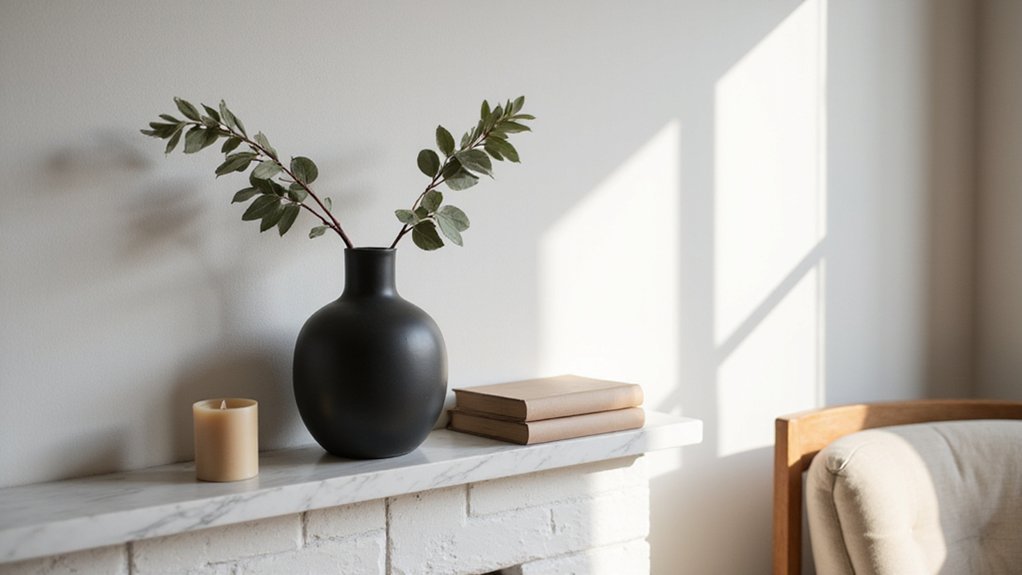
Adding greenery or sculptural pieces is the best way to soften a hard tray. A simple floral arrangement, even with just a single branch in a minimal vase, instantly makes a wood, stone, or glass tray feel more inviting. Sculptural accents like raw wood, ceramic bowls, or stone objects create visual contrast, preventing the tray from appearing flat or monotonous. To keep the look balanced, choose low-maintenance plants such as succulents or a small fern, or consider using a terrarium as a mini landscape. Keep height in mind: your tallest piece should be no more than 1.5 times the height of the tray to avoid blocking conversation. Limit your arrangement to three to five objects and leave some negative space so that the greenery or sculpture can truly stand out. For instance, using safe cleaning methods ensures that any decorative items placed on the tray remain free from dust and stains. Apply layering tips from buffet styling to create depth by placing a small vase or candle atop a stack of books or a wooden riser on the tray.
Common Coffee Table Tray Styling Mistakes
Overcrowding is a major mistake to avoid when styling your coffee table tray. Leave about 30% to 40% of the tray surface visible to prevent visual clutter. Aim for 3 to 5 main items on the tray to keep it balanced and appealing. Choosing the right tray size is also essential; it should occupy roughly one-third to half of your coffee table for proper proportion. Incorporate height variation by layering a tall piece, a medium-height item, and a low object to add dimension. Mixing shapes and materials enhances visual interest—pair smooth surfaces with rough textures for depth. Avoid using only round objects to create contrast; an assortment of shapes keeps the display engaging. Ensure items within the tray are placed intentionally and close together to achieve a cohesive and intentional look.
If your space has a contemporary minimalist style, antique accents can add charm, but be careful not to block sightlines with bulky or ornate pieces. Finally, ensure the tray remains functional by leaving room for everyday essentials like remotes and drinks. Use a catch-all bowl to keep smaller items organized and accessible without cluttering the space.