If you’re wondering how to make a daybed feel more like a stylish sofa, you’re not alone. The key lies in clever arrangement and thoughtful styling that transforms its look and function.
With a few simple tricks, you can create a cozy, sofa-like vibe that seamlessly fits your living space.
By the end of this, you’ll know exactly how to arrange and accessorize your daybed to achieve that polished, inviting sofa appearance—no major renovations needed.
Keep reading for all the easy steps to get it just right.
Why Your Daybed Looks Like a Bed (and How to Fix It)
Your daybed looks less like a sofa and more like a bed mainly because of how you display and decorate it. To shift its appearance, start by blocking the mattress’s edge from being fully visible. Using a fitted slipcover or a tailored coverlet creates a smooth, couch-like surface that hides the mattress. Then, add large throw pillows along the back edge to mimic the support of a sofa. Mixing square and lumbar pillows enhances the illusion of a seating area. Curved, padded side rails also help soften the overall look, whereas straight, low frames tend to reinforce the bed vibe. When selecting a daybed for this makeover, look for a model with a high-quality frame to ensure long-lasting stability and value. Choosing a style with stacked bookcase side units can also reinforce the structured, furniture-like appearance of a sofa. To achieve a truly polished finish, consider painting the frame with a smooth, high-quality coat using proper prep work. Adjusting these elements makes your daybed look inviting as lounge seating instead of a spare mattress.
Position the Daybed Against a Wall Like a Sofa
To make your daybed resemble a sofa, position it against a wall with the long side flush against the surface. This creates a natural backrest, signaling that the piece is intended for seating rather than sleeping. Avoid letting it appear to float in the room, as that suggests it’s a bed. Select fabric patterns that imitate upholstery—structured weaves or textured fabrics—rather than bedding prints, which can make it look less like furniture. Coordinate the color scheme of throw pillows and coverlets with the room’s existing palette to help it blend seamlessly. Keep the frame length to one-third or half the wall’s width to maintain proportion, and ensure pathways remain clear for easy movement. For durability, consider choosing a frame with a reinforced steel base to support daily seating use. Add firm back cushions for support and tuck everything in with a heavy cover to create a tidy, sofa-like appearance. Consider cost and comfort when selecting cushions and frame size to ensure the arrangement rivals a traditional sofa. For additional stability, you can look for designs that include a sturdy metal frame similar to those used in top-rated loft beds. These simple adjustments can transform your daybed into a convincing, stylish couch.
Ditch the Headboard and Let the Wall Be Your Backrest
Removing the headboard creates a cleaner sofa silhouette by making the wall your visual backrest. Begin by locating bolts or screws beneath the side rails, using a flashlight to find hidden hardware. Typically, you’ll need an Allen wrench or screwdriver—it’s helpful to photograph the setup beforehand to keep track of attachment points. Carefully detach the hardware, leaving behind a low, streamlined frame. This reduces the bed-like appearance and emphasizes a minimal, modern look. The frame, which is typically lightweight and often made from wicker, is usually held together by the frame sitting on top of the mattress.
Once the headboard is removed, let the wall serve as part of the backrest. By eliminating a tall panel, your daybed appears more like a sofa and less like a bed. Keep the remaining structure tidy and avoid leaving exposed brackets or loose fittings behind, as these can give away the bed-like impression. Removing hardware cleanly ensures the wall dominates the vertical space, making your seating area feel purposeful and inviting. For those who value recliner seats for ultimate comfort, pairing this setup with a studio-style seating arrangement can enhance relaxation during movie nights. To maximize floor space underneath, consider pairing this setup with a compact desk for loft beds that fits the low-profile aesthetic. The result is a lounge-ready piece that blends seamlessly into your living space. Consider adding a chandelier for dining above the daybed to anchor the seating area with elegant, ambient lighting.
Pick the Right Daybed Mattress Cover for a Furniture Finish
The right daybed mattress cover should fit snugly like furniture rather than loose bedding. Opt for a fitted or custom cover that hugs the mattress tightly, creating a clean, tailored silhouette that a loose sheet can’t achieve. This structured base minimizes visual clutter and sets a polished tone for the overall look.
Choose durable, easy-to-maintain materials such as quilted microfiber or water-resistant finishes. These fabrics resemble upholstery more than sleepwear and can withstand daily wear without appearing worn. If your frame features visible wood or metal, select a crisp, neutral cover to keep those edges prominent and unhidden.
For pattern coordination, reversible covers offer flexibility to adapt to different room palettes, while single neutral shades provide a seamless blend with surrounding furniture. Keep the cover smooth and intentionally fitted, as it forms the foundation for all other decorative layers.
Build Daybed Back Support With Bolsters and Wedge Pillows
To build the back support for your daybed, start by placing a long wedge pillow at the base against the wall. The angled surface of the wedge provides lumbar support, helping you sit upright comfortably. Next, add a firmer bolster on top of the wedge to fill the upper-back gap, functioning like a removable headboard.
Pay close attention to wedge pillow angles: a steeper taper favors upright sitting, while a gentler slope encourages reclining. Match the size of your bolsters and wedges to your daybed’s width; for example, a 36-inch bolster fits a twin size, whereas longer wedges are suitable for queen or king sizes. When selecting these cushions, consider top coffee table materials that complement your decor for a cohesive look. Proper placement of these cushions transforms your flat mattress edge into a continuous, supportive back similar to a sofa.
Layer Textiles to Break Up That Mattress Line
Layer textiles strategically to break up the mattress line and create a more cohesive, sofa-like silhouette. Start with a fitted base layer—a snug mattress cover—that conceals the mattress edge and gives an upholstered appearance. The right cover can also serve as a protective barrier while you search for a top armoire for closet upgrade. Next, fold a heavy duvet or quilt over the top to add visual weight and mask the long horizontal line. Using contrasting textures, such as smooth linen paired with woven matelassé, amplifies the visual interest and disguises the mattress. In a repurposing project like cutting an old memory foam mattress down to twin size, this fitted base layer can also help compress and hide any uneven or cut edges. Stick to a two- or three-tone color palette: neutral solids serve as a stable foundation, while one accent shade adds a touch of polish. Finally, drape a throw at one corner to soften the outline and enhance the layered look. Building from the largest to smallest textiles—base, mid-layer, and accent—helps achieve a structured silhouette that reads as deliberate seating rather than just a bed. For an even more convincing sofa appearance, consider incorporating a fitted sleeper cover that mimics the clean lines of an upholstered frame. You can also select materials that are durable enough for outdoor conditions, such as those used on top outdoor daybeds for resistance to sun and moisture.
Arrange Pillows Like a Designer for a Sofa
Start with an odd number of pillows, ideally five, for a balanced yet interesting look. Begin by placing your largest 22- to 24-inch square pillows at each end of the sofa to anchor the arrangement. Next, layer medium-sized 18- to 20-inch pillows in front of these, creating depth and visual interest. Finish with smaller accent pillows to add variety and texture. Use a mix of shapes—squares, lumbars, and rounds—to break up monotony and add a dynamic feel. Choose a cohesive color palette with three to five colors; neutrals should be the base, while one or two accent colors add separation and pop. Distribute the pillow colors evenly across both sides to maintain balance. For a polished, curated look, apply either a symmetrical layout or gentle asymmetry, such as the 2-2-1 method: two pillows on each side and a standout center pillow. Use pillow inserts that are 2 inches larger than the covers for a plush look.
Finish the Daybed Area With Living-Room Décor and Lighting
To finish the daybed area with living-room décor and lighting, start by anchoring the space with a console table placed behind the daybed. Match this with side tables on each side to create symmetry and provide intentional seating options. Add a gallery wall above the space, choosing art that sits at eye level to enhance the sofa-like vibe and serve as a curated focal point. Consider placing a chest of drawers nearby to provide hidden storage while maintaining the polished, furniture-style look of a proper living room.
Incorporate ambient lighting by mounting wall sconces on either side of the gallery wall or hanging a chandelier overhead. This elevates the area into a proper lounge. Place a tall floor lamp nearby for task lighting when reading or working. String lights can be added for a softer, cozy atmosphere in the evening.
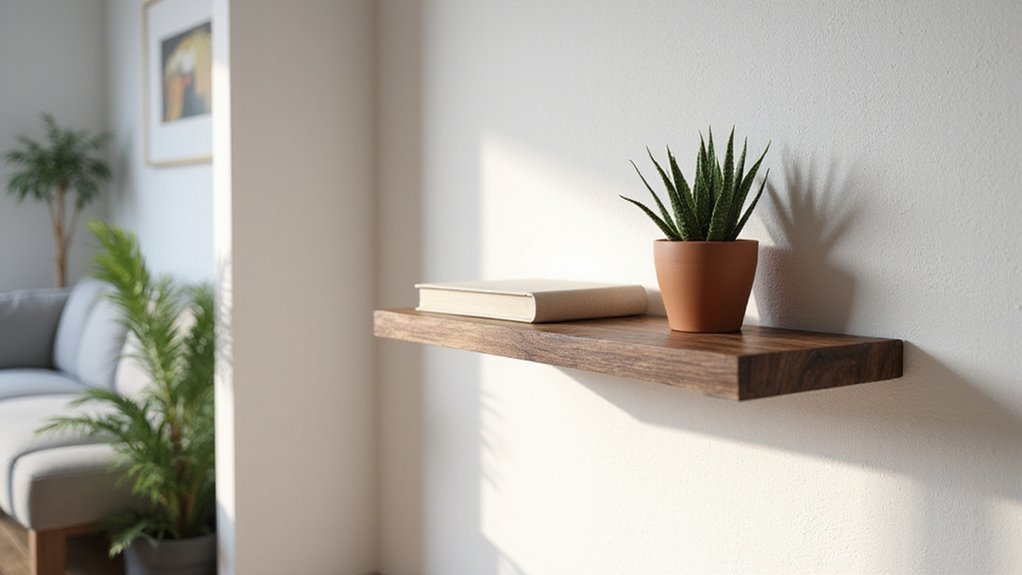
Layer in decorative accessories such as a pouf ottoman, plants, and sleek floating shelves to add visual interest. Use textured throws and pillows in warm or jewel tones to boost comfort and style. Keep the furniture slim and streamlined to maintain an airy, open living-room feel that doesn’t feel crowded or heavy.