Struggling to decorate your entryway table so it looks welcoming without feeling cluttered? The key is striking the right balance with size and arrangement.
Choosing three carefully curated items of different heights and textures, along with practical touches like a tray and basket, can make a big difference.
Keep reading for simple tips that will transform your space into a polished, inviting entry.
Match Your Entryway Table to the Wall Space
When matching an entryway table to your wall space, aim for the table’s width to be about 50 to 75 percent of the total wall span. For example, on a 72-inch wall, choose a table between 36 and 54 inches wide. This proportion ensures the setup appears intentional and balanced rather than an afterthought. Avoid selecting a table wider than the wall itself, as it blocks flow and looks awkward. For depth, match the table to your available circulation clearance—narrow halls require a depth of 10 to 14 inches, while open zones can accommodate 16 to 20 inches. If your hallway is under 36 inches wide, opt for a wall-mounted piece instead of a freestanding table. Too much depth in a tight space can interrupt walking paths and create a cramped feeling. The goal is to find a table that complements the wall without impeding movement. Similar proportional guidelines apply when selecting a queen bed frame to ensure the furniture fits the room without overcrowding the space. When incorporating lofting techniques, always prioritize proper safety precautions to prevent accidents during assembly and adjustment. For larger wall spans, consider a table with integrated bench seating to maximize both style and functional use of the entryway area.
Anchor With a Mirror or Large Art
A mirror or large piece of art should be placed about two-thirds to three-quarters of your entryway table’s width. Hang it 6 to 8 inches above the surface, with its center at eye level—roughly 60 inches from the floor. This placement increases natural light and creates the illusion of more space, especially in small foyers. If you choose art, opt for a piece at least 24 by 36 inches to ensure it feels substantial and intentional. Make sure the mirror or art is narrower than the table beneath to keep the display balanced. Let the mirror or art be the focal point, while keeping other accents subtle and supporting. Proper surface preparation is just as vital here as it is for a flawless painted finish, ensuring the wall and hardware look crisp rather than makeshift. This approach mirrors the way a fireplace surround anchors and balances a room’s design with a clear focal point. For a versatile seating option that complements the entryway, consider a sleeper sofa that can accommodate overnight guests while maintaining a stylish appearance.
Vary Heights and Mix Textures: Odd Numbers Work Best
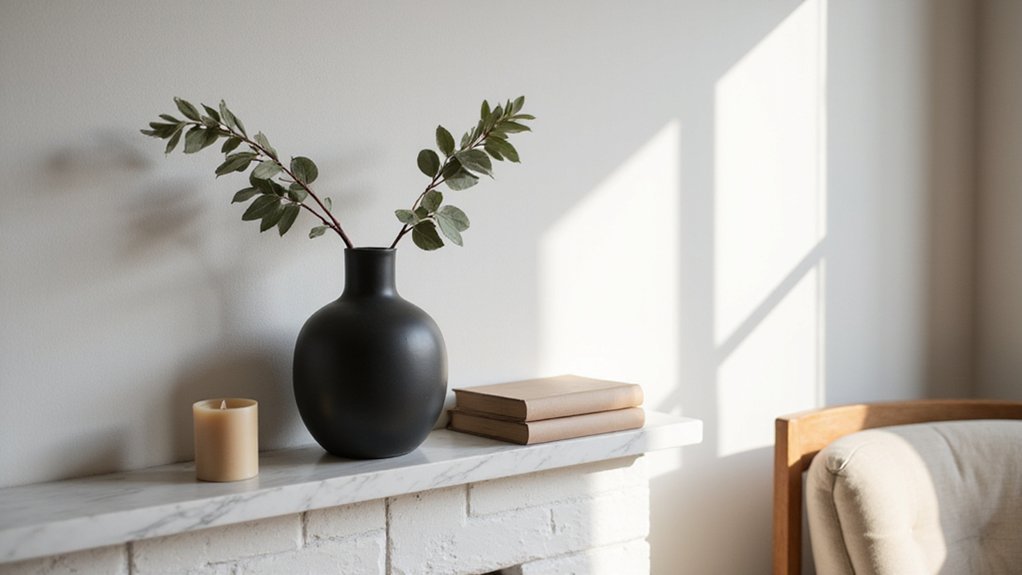
Varying heights and mixing textures with odd numbers creates a more natural and balanced display. Incorporate three or five items of different sizes—such as a tall vase, a medium ceramic bowl, and a stack of books—to form a visual triangle that guides the eye. Using odd numbers prevents the arrangement from feeling too symmetrical or predictable, making it appear more intentional and lively. To tie everything together, coordinate colors carefully without matching everything exactly. Mixing patterns, like a striped vase with a textured woven piece or a floral accent, adds visual interest. For a seasonal touch, swap dried florals for tulips and spring accents to reflect the freshness of the season. Use diverse materials such as glass, wood, and metal to deepen the texture and interest. Organic elements like greenery help soften the arrangement’s hard edges. Place larger pieces toward the back to create depth and keep lower, smaller items in the foreground for balance. Consider opting for a daybed with trundle nearby to provide flexible extra seating that blends function with style. Keep in mind that odd-numbered groupings, combined with mindful height and texture variation, will instantly make your display look curated, cohesive, and inviting. For vertical balance, ensure your tallest piece does not exceed the standard height of a Billy bookcase if placed behind the table.
Trays and Baskets for a Functionally Chic Surface
Trays and baskets are essential for transforming an entryway table into a functional yet stylish surface. Use a tray as your drop zone for keys, mail, and wallets. Its raised edges help contain these essentials, creating a dedicated spot that reduces clutter and looks intentional. Opt for a tray in glass or wood to complement your decor style. For larger items like scarves or leashes, place a woven basket on a lower shelf. This keeps the space organized and hides messes while adding warmth and texture. Choosing natural baskets provides contrast against sleek trays, resulting in a curated and practical landing zone that’s ready for daily use.
Keep It Simple: Three Items Maximum
Limiting your entryway table to three items creates a clean, balanced look. Start with one bold anchor piece, such as a large mirror or a tall vase, to draw immediate attention and establish visual stability. Then add two supporting items of varying heights, for example, a lamp and a small plant or a stack of books. Keeping the number to three ensures minimal clutter and a polished appearance. Leave plenty of negative space around these items to achieve a calm, welcoming vibe. Remember, an entryway that’s too crowded can feel chaotic, while three well-chosen pieces set a sophisticated tone.
Scale Down Decor for Narrow Entryway Tables
A 10 to 14 inch deep console works best for narrow entryway tables. This depth keeps your walkway clear and traffic flowing smoothly. Accurate measurements are essential; your table shouldn’t extend more than one-third into your hallway’s width. To ensure proportion, choose a length no longer than two-thirds of your wall. In hallways under 36 inches wide, a floating console is ideal because it maintains a lighter, less cluttered appearance and keeps the floor clear. Opt for slim, leggy designs in light woods or metals for a streamlined look. Keep your decor minimal: use a single tray for keys and mail, and limit yourself to one statement mirror or decorative object. Avoid bulky pieces that can dominate the surface. For reference, a standard mudroom bench depth often falls between 14 and 18 inches to accommodate daily use without crowding the space. Vertical solutions such as a tall mirror or wall hooks help draw the eye upward, preventing clutter from spreading out into the space. For depth and height, standard entryway tables are typically 30 to 36 inches tall to ensure comfortable proportion and usability. This compact scale is similar to daybed trundle dimensions that prioritize space efficiency without sacrificing function.
Add Warmth With Plants, Lights, and Personal Touches
Adding warmth to your entryway table is all about layering plants, lighting, and personal touches. Start with indoor greenery—peace lilies bring lush texture, while dried eucalyptus offers a long-lasting scent. Arrange it near a table lamp with warm ambient lighting, using a 2700K bulb to create a cozy glow that invites you in. For additional storage in the entryway, consider integrating a small table that offers hidden compartments or drawers, similar to top coffee tables with storage that help keep clutter out of sight. For those with a compact entryway, opting for a round dining set for four can provide both a stylish surface and efficient use of limited floor space. If your entryway doubles as a media viewing area, an entertainment center can consolidate electronics while keeping the space tidy.
Incorporate personal objects such as a framed family photo, a favorite book, or a travel souvenir to tell a story. Keep the surface balanced by allowing one item to serve as a focal point, and vary heights—place a tall lamp next to a medium-height plant, and set a low tray for keys nearby. Leave some open space to maintain an intentional, uncluttered look. An entryway decorated this way becomes welcoming for both you and your guests.
One Seasonal Swap to Refresh Your Base Look
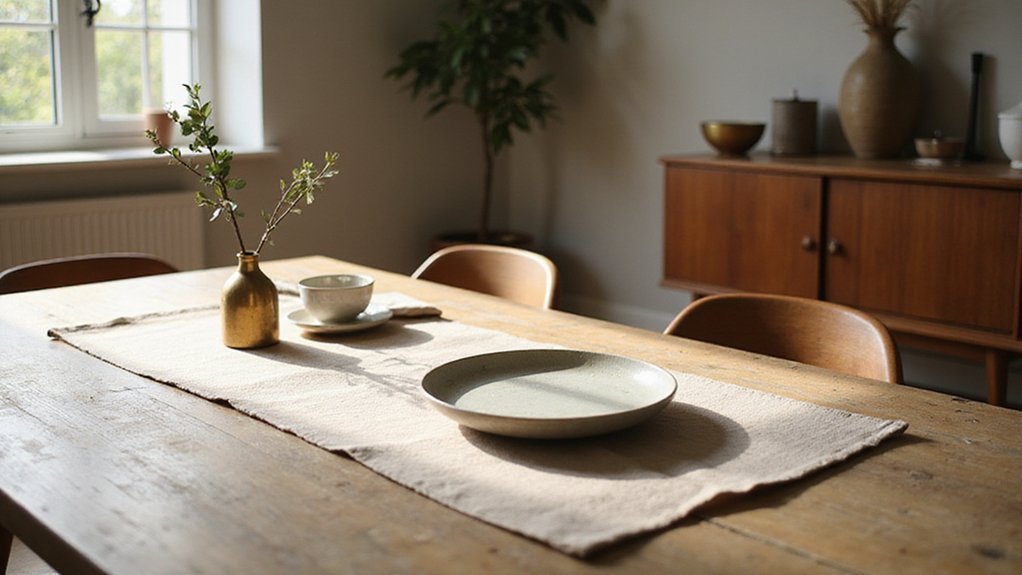
Swapping one surface piece is an easy way to refresh your entryway without a full overhaul. Choose between greenery, books, bowls, or a runner—just 3 to 5 items—and you’ll instantly change the space’s feel while your console, mirror, and lamp stay in place. For spring, opt for airy branches that add a light touch; in fall, dried stems in amber or rust tones bring warmth. These seasonal accessory updates align with color schemes, creating a quick, stylish shift that feels intentional. To ensure stability during this swap, remember that assembly hardware can be safely tightened with a hex key or socket wrench.
Switch out a bowl for a lidded box if you need hidden storage or flip book spines to match your new palette. Add a burgundy runner in winter for extra coziness, or a light floral version during summer to keep things fresh. You don’t need a full redesign—just one deliberate change keeps your look current and inviting year-round.