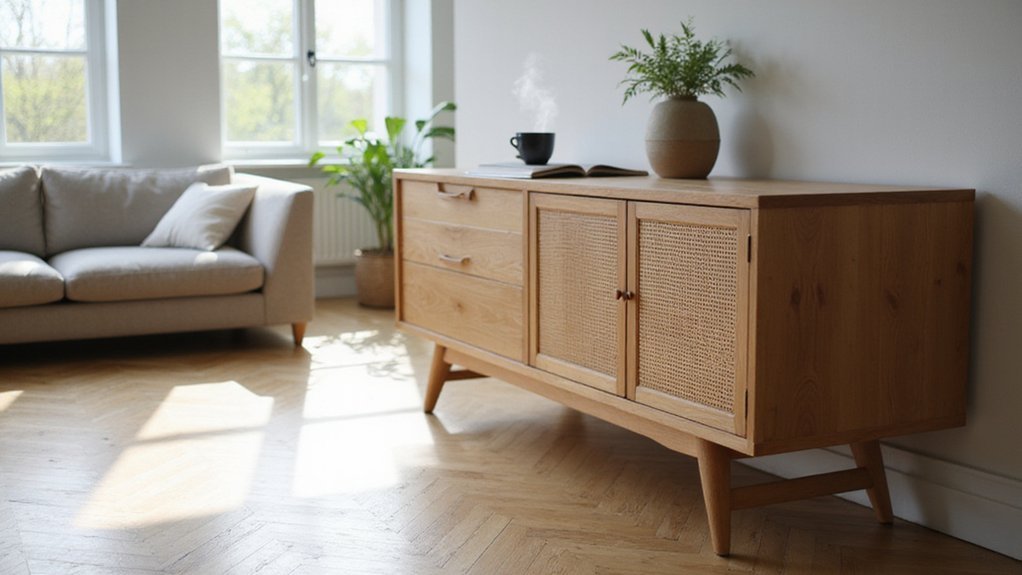
Choosing between a vanity and a desk often comes down to understanding their main functions. A vanity is designed to enhance your beauty routine, while a desk is aimed at boosting productivity.
Both serve different needs, and picking the right one can make a big difference in how you use your space.
Read on to see how their sizes and features compare.
What’s the Real Difference Between a Vanity and a Desk?
A vanity and a desk serve completely different core purposes, and this fundamental difference influences their design and features. A vanity is primarily for personal grooming and makeup, so it features a flat surface often paired with a mirror and shallow, compartmentalized storage for small items like brushes, cosmetics, and jewelry. Its aesthetic is focused on beauty and convenience within a bedroom or dressing area, with materials chosen to complement that environment. Some options that prioritize multifunctionality include a daybed with trundle for versatile room layouts. In contrast, a desk is built for work, study, or computer tasks. It tends to have a more substantial, sturdy surface suited for laptops, monitors, books, and other work essentials. The storage in a desk is broader, with drawers or compartments designed to hold notebooks, electronics, files, and office supplies. The materials used for desks are selected for durability and practicality to withstand daily use and support productivity. For those seeking a unified bedroom aesthetic, many manufacturers design vanities using the same queen bed frame materials and finishes to create a cohesive look. For those spending long hours at a desk, a chair massage can help relieve tension and improve focus, making it a valuable addition to the workspace. Overall, a vanity enhances your personal grooming routine, while a desk organizes your work or study space efficiently.
How Vanity and Desk Designs Differ in Look and Feel
Vanities and desks differ distinctly in their look and feel, each designed for specific functions and aesthetics. Vanities prioritize a stylish, intimate space for grooming, often featuring mirrors, decorative finishes, and small drawers for beauty tools. They typically use soft whites, pastels, or light woods to create a cozy, personal vibe. The hardware on vanities is usually ornate, with reflective accents that add to their decorative appeal, and the overall footprint tends to be makeup-friendly and compact. For those seeking a practical alternative, some top-rated options also function well as bedroom dressers with drawers, offering storage without sacrificing style. Achieving a smooth finish on a vanity often involves the same prep work required when painting a white dresser, such as sanding and priming.
Desks, on the other hand, emphasize utility and simplicity. They generally have broader work surfaces with uninterrupted tops suitable for paperwork, laptops, or creative projects. The color palette leans toward neutral grays, blacks, or dark stains, lending a professional and structured appearance. Materials on desks tend to feature straightforward lines, minimal hardware, and open surfaces that prioritize practicality over ornamentation. While vanities act as curated accents, desks are designed to be functional and efficient workstations.
Vanity vs Desk: What Size Works Best for Your Room?
Choosing between a vanity and a desk often comes down to size. A vanity usually occupies 18 to 24 inches of depth, making it ideal for compact spaces because it won’t intrude on walkways. In contrast, a desk generally requires at least 80 to 100 centimeters (roughly 31 to 39 inches) of width and a front clearance of at least 80 centimeters for comfortable seating.
For small rooms or corners, a smaller vanity with a width of 24 to 30 inches can fit snugly while leaving enough clearance for seated use. Its footprint is usually more manageable than a desk’s, which can feel bulkier and take up more visible space. If space is tight, opting for a vanity allows easier placement without sacrificing room to move around or access other furniture. Like a fireplace mantel, you can style a vanity top with layering tips to create a visually balanced and functional display.
Which Storage Layout Fits Your Routine Better?
The storage layout that fits your routine best depends on how many products you use regularly. For daily essentials, a compact 1–3 drawer layout suffices. It keeps your favorite items within reach without wasting space on unused compartments. If your routine involves moderate use—say, skincare, makeup, and hair care—opt for 4–6 drawers. This setup helps you organize each category into dedicated zones, making it easier to find what you need quickly and encouraging color coordination by grouping similar items together. For larger collections or more extensive routines, 7 or more drawers or side cabinets are ideal. These prevent countertop clutter by providing ample storage for all your products and tools. Following safe disassembly steps prevents damage when reorganizing or moving a heavy furniture piece. Material choice also impacts how well your storage suits your routine. Shallow compartments are perfect for brushes and small tools, ensuring they stay accessible and organized. Deeper drawers work well for bulkier items like hair dryers, curling irons, or extra bottles. Open shelves offer quick access to daily essentials but can encourage clutter if not maintained. Closed drawers hide less-used items, keeping your space looking tidy. Vertical stacking of drawers maximizes organization in tight spaces and helps keep clutter off your surface, making your routine smoother and more efficient. When deciding between a sectional and separate sofas, the size, cost, and comfort of each option significantly influence which layout best fits your space. For a similar approach to vertical space, refer to the standard mounting height used when placing a TV above a console to keep the screen at eye level.
Should You Buy a Vanity or a Desk?
Choosing between a vanity and a desk depends on your primary daily routine. If you mostly do makeup and grooming, a vanity is the better choice. It features an integrated mirror, built-in lighting, and shallow drawers designed for cosmetics. Its slim profile—often about 15 to 18 inches deep—fits well in tight bedroom corners. For those who prioritize function over form, reading a bookcase ladder guide can help compare similar storage solutions. When considering overall room organization, a piece with enclosed storage can also keep clutter hidden while maintaining a clean aesthetic. Additionally, a quality storage bench offers a versatile seating solution that combines hidden storage with durable construction.
On the other hand, if your day involves typing, studying, or paying bills, a desk provides a larger workspace and versatile storage options. It doesn’t usually include a built-in mirror, but offers more surface area to spread out.
For a flexible option, consider a hybrid: a vanity desk with a tabletop mirror that can serve both grooming and work needs. However, be aware that it won’t match the ergonomic design of a dedicated vanity for close-up tasks. Ultimately, select a vanity if beauty rituals dominate your daily routine or opt for a desk when work takes priority. Match your choice to what you do most.